1. Best time to see the Northern Lights
Understand the Lapland seasons, daylight, snow conditions and the months with the best balance between darkness, weather and activities.
Read the full timing guide →This is your independent, in-depth guide to experiencing the aurora borealis in the far north of Finland. Learn exactly when to come, where to go, how to read the aurora forecast, and how to stay safe and warm in Arctic conditions.
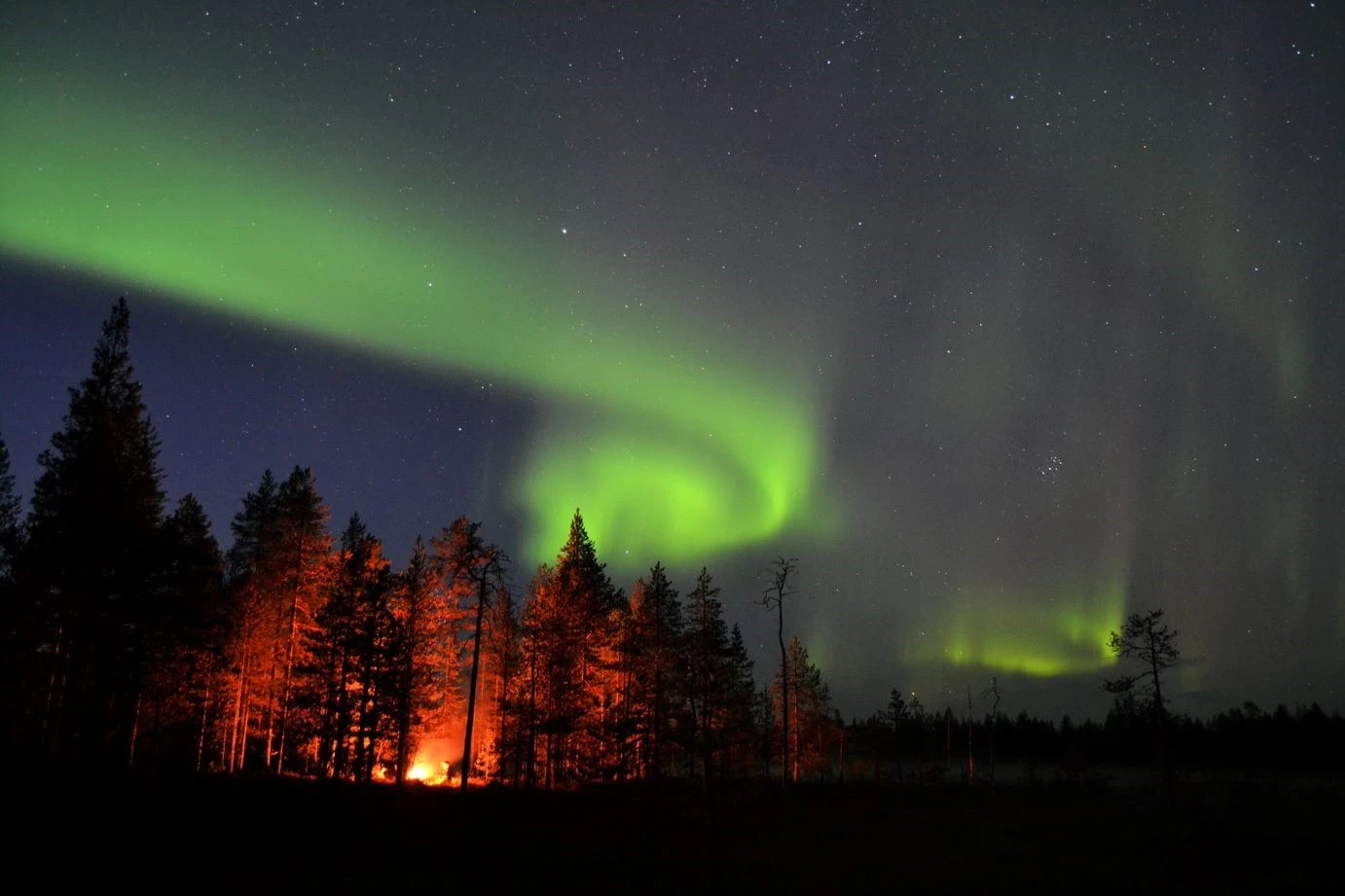
Tip: Stay at least 3–4 nights and prioritize clear skies over "high KP". Clear sky is more important than anything else.
These northern lights photos were taken in and around Ranua, Finnish Lapland, less than 80 km (about an hour's drive) from Rovaniemi. The photographer is an ordinary local, not a professional, and does not go out hunting for the aurora. The pictures are simply what the sky looked like on normal evenings and forest trips near home. Captions describe what you can see, and some include the conditions.
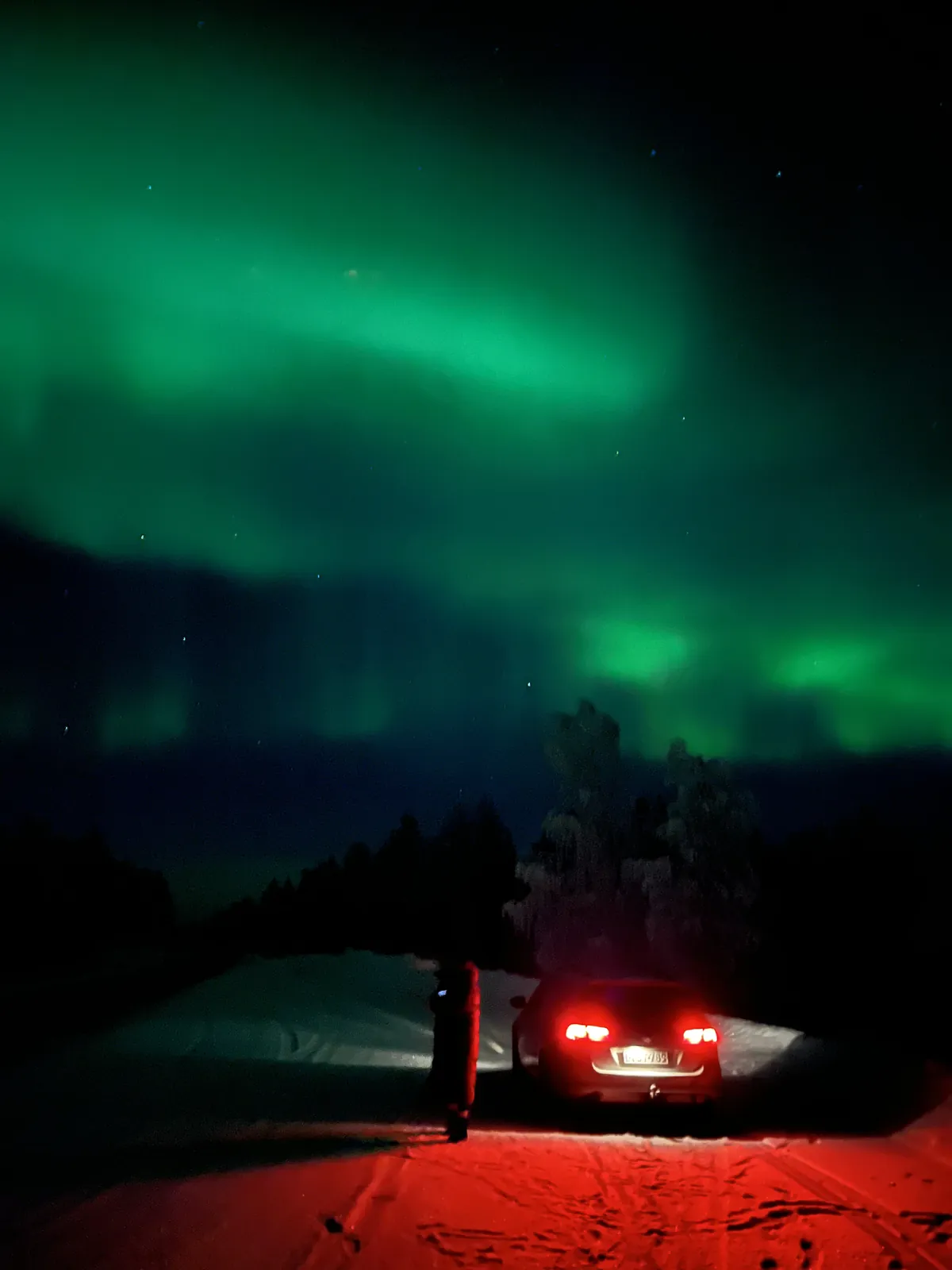
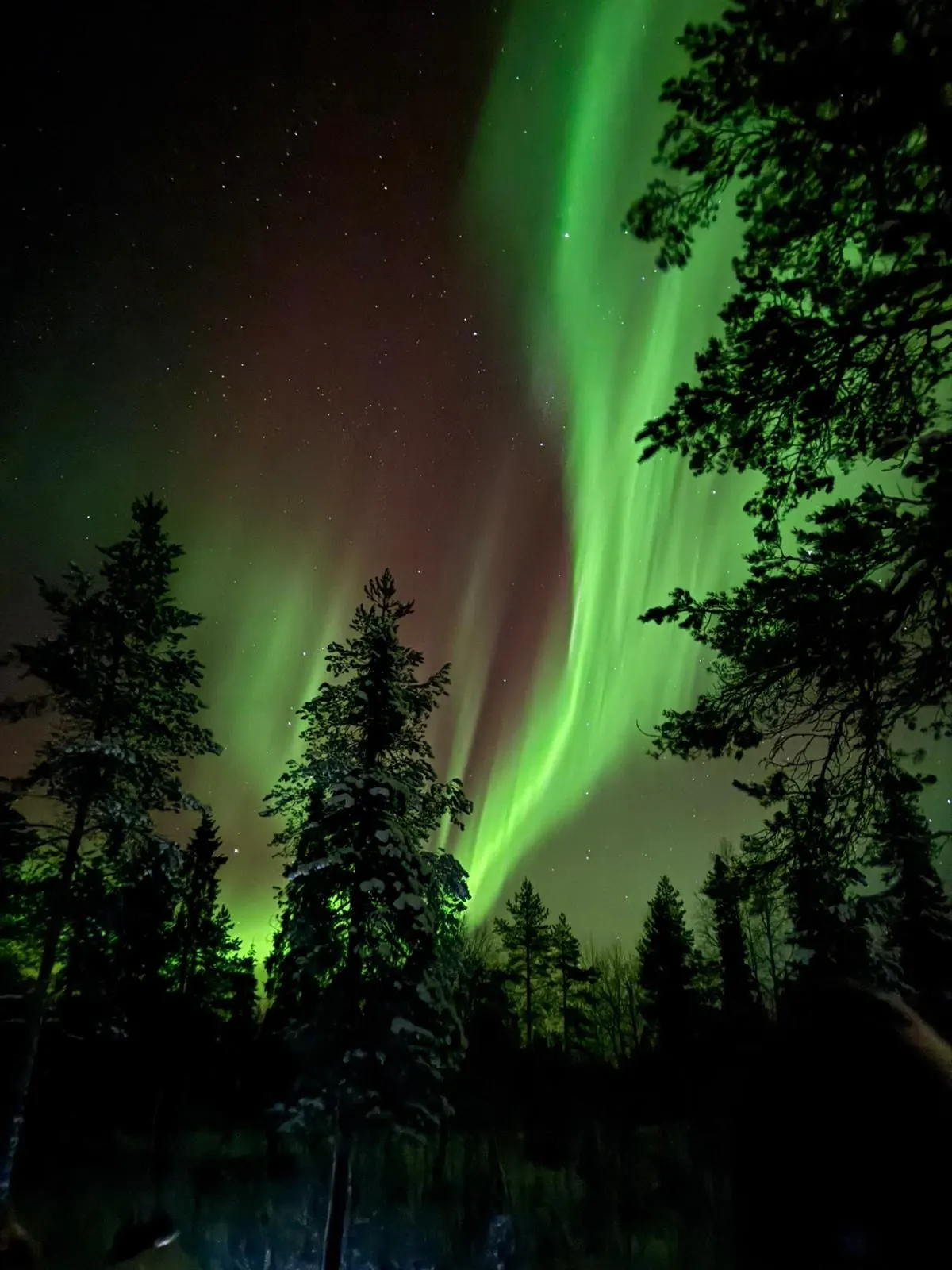
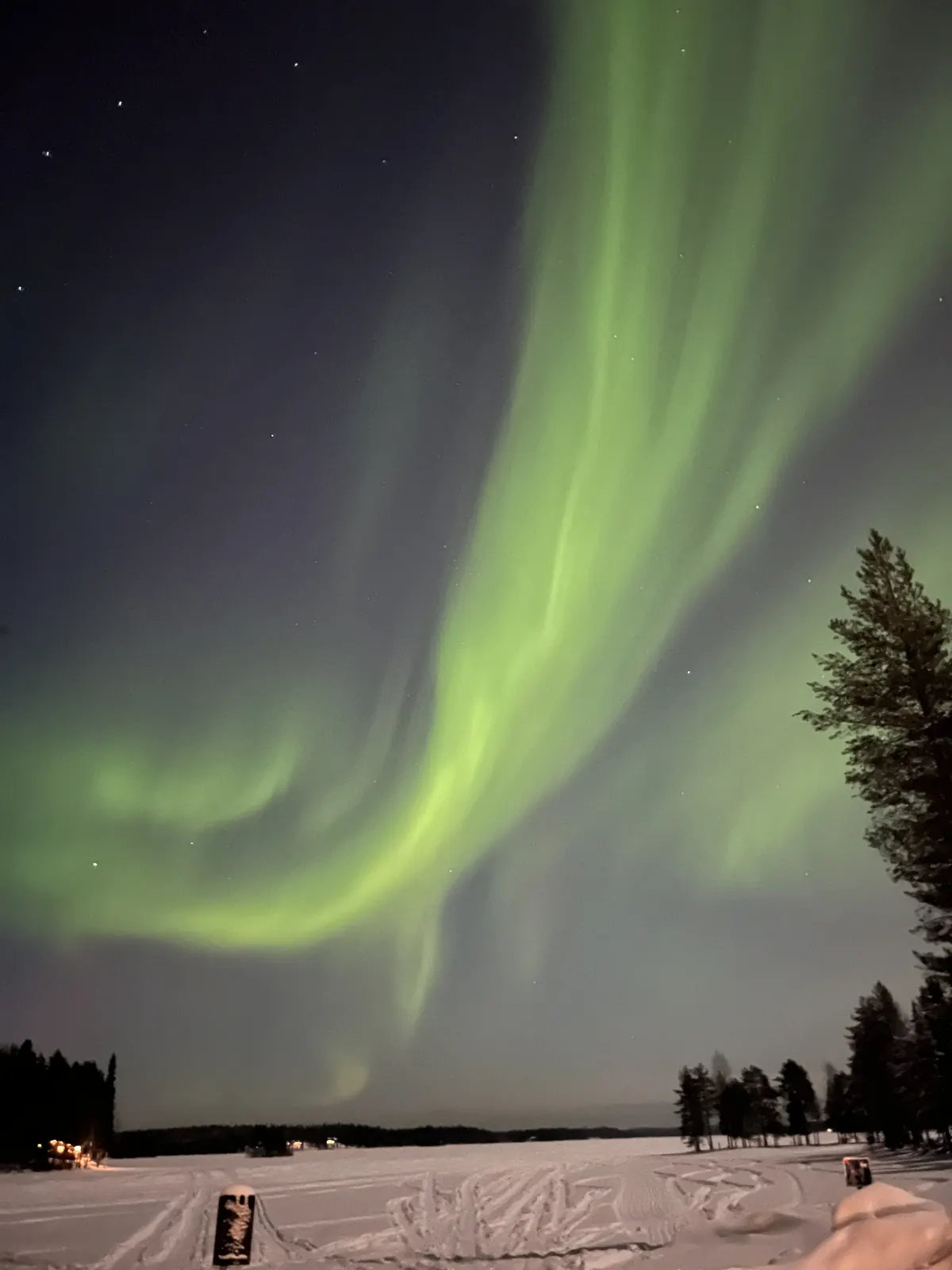
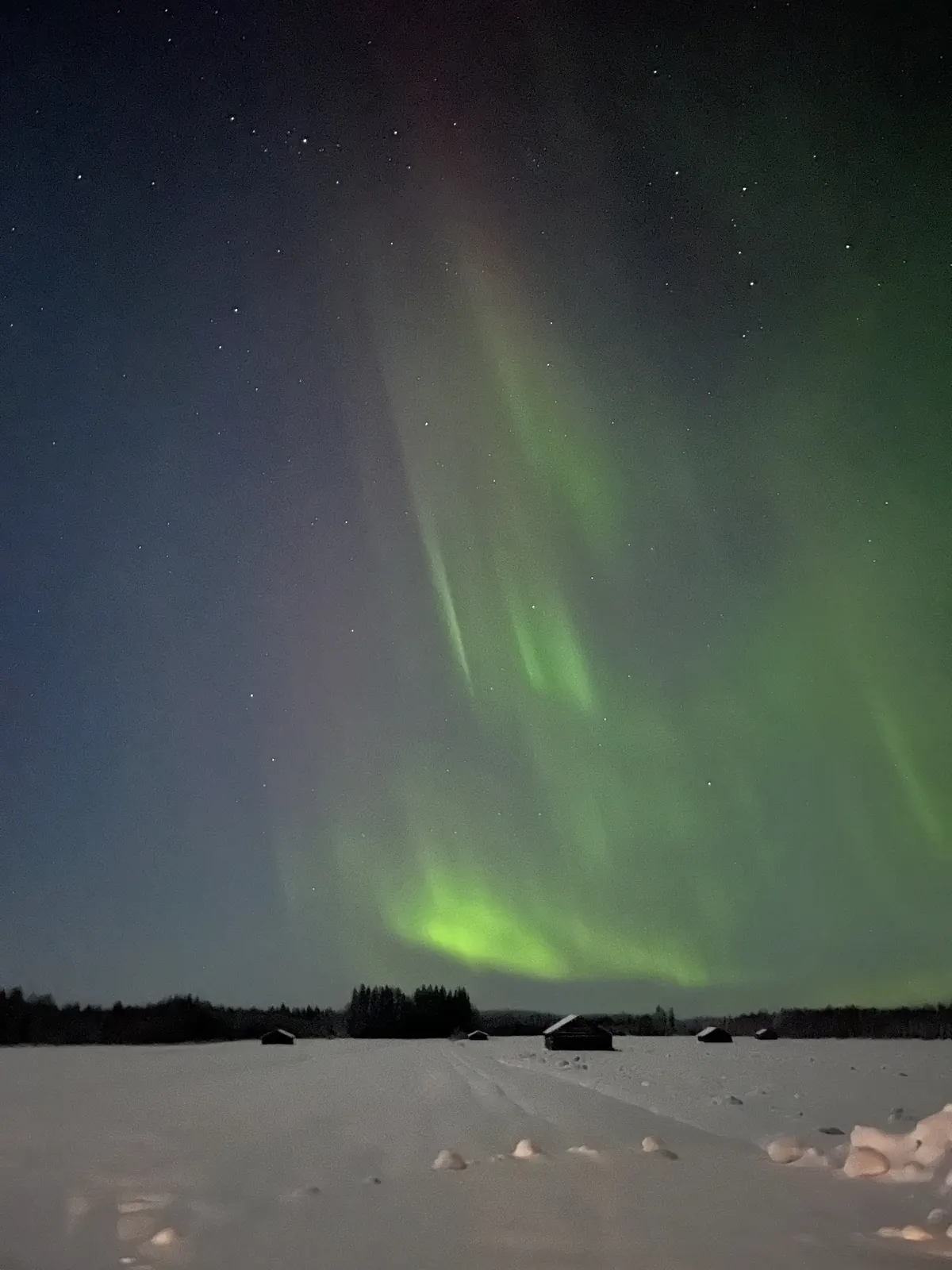
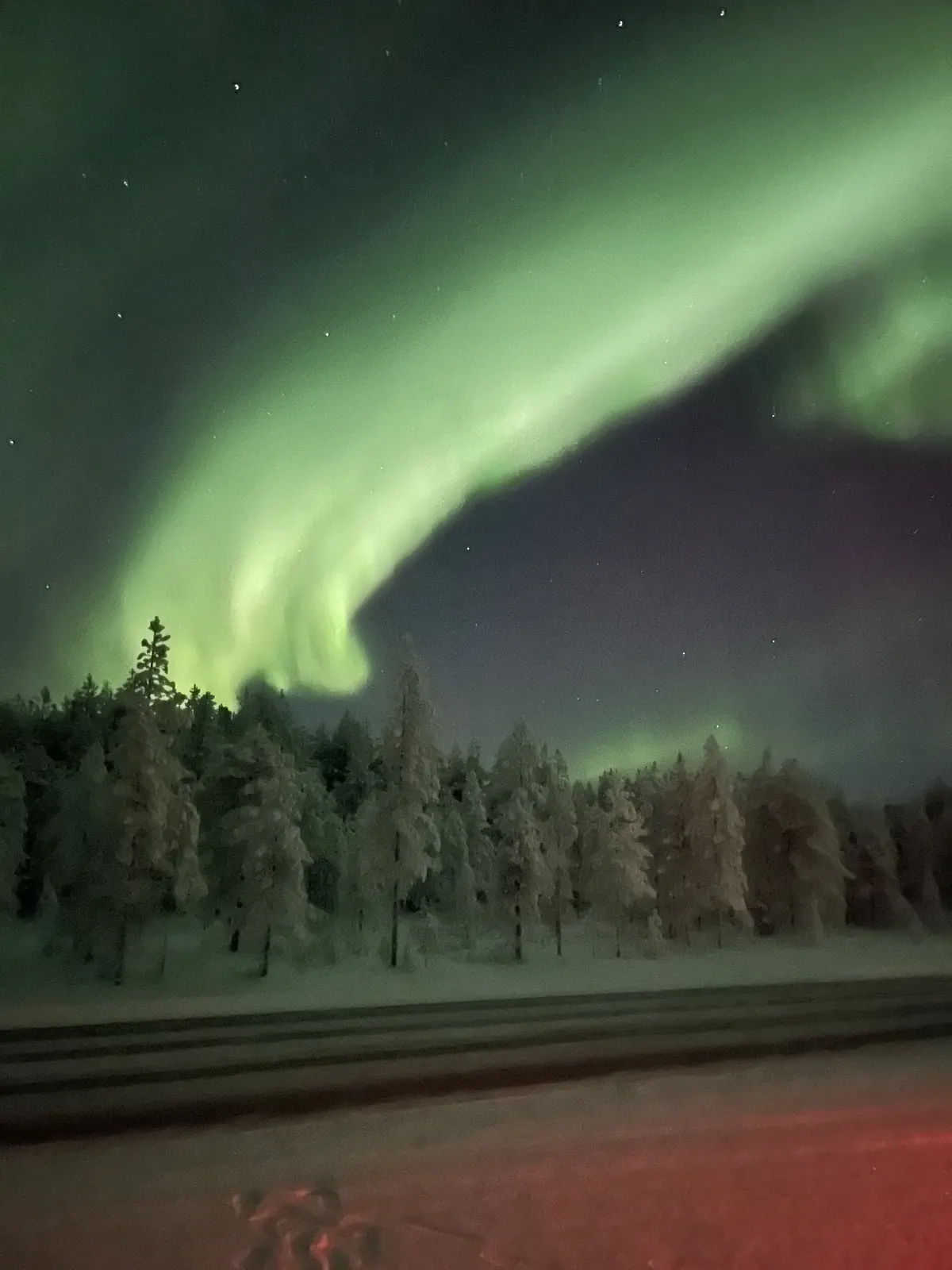
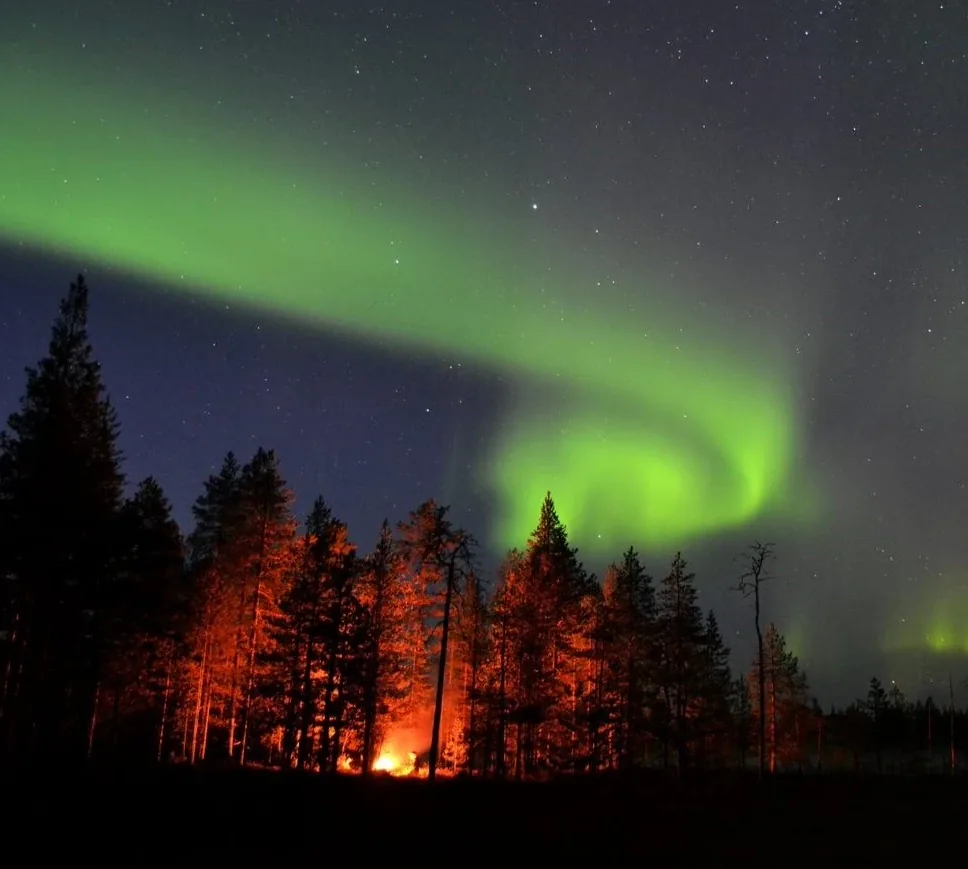
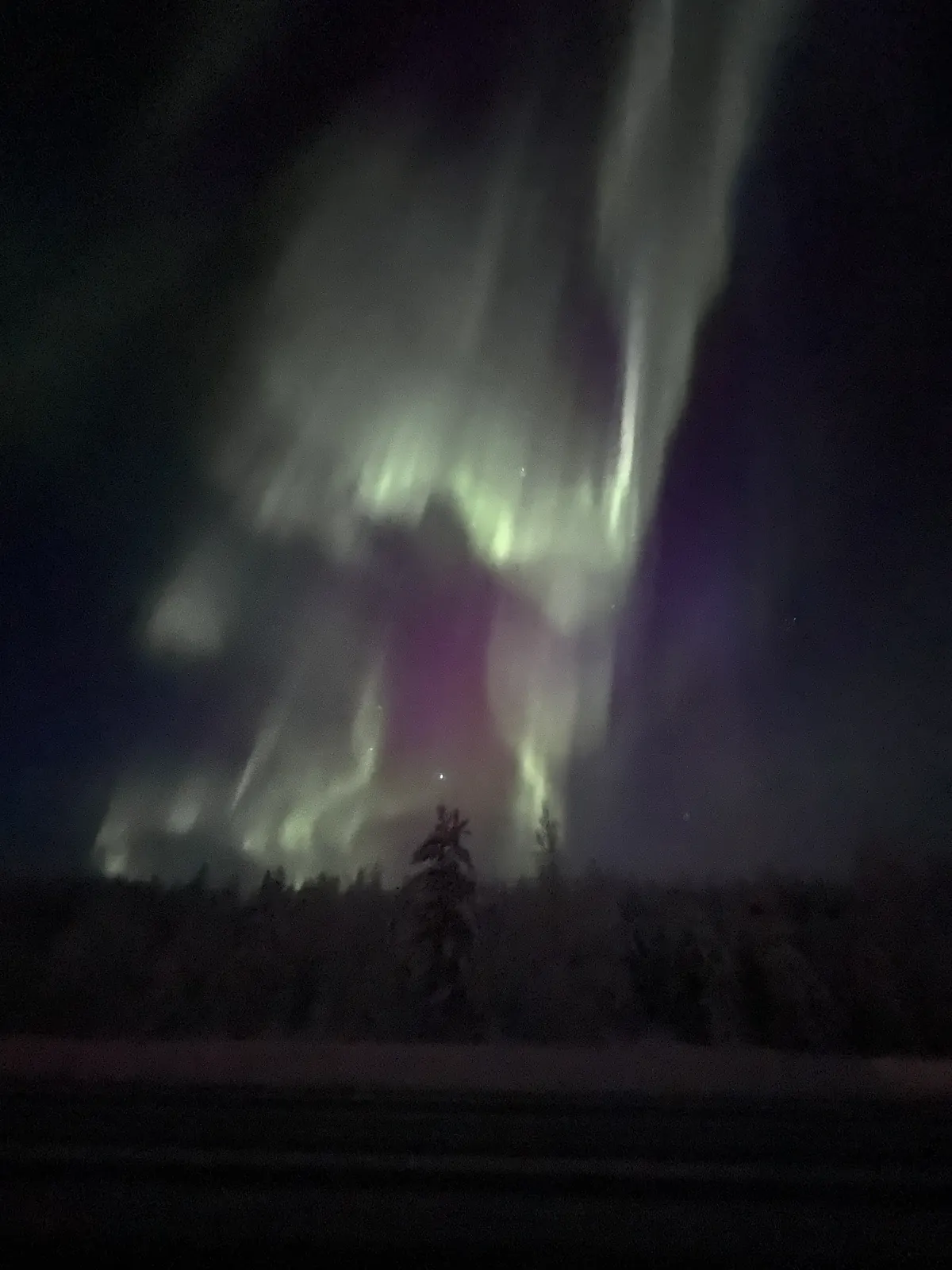
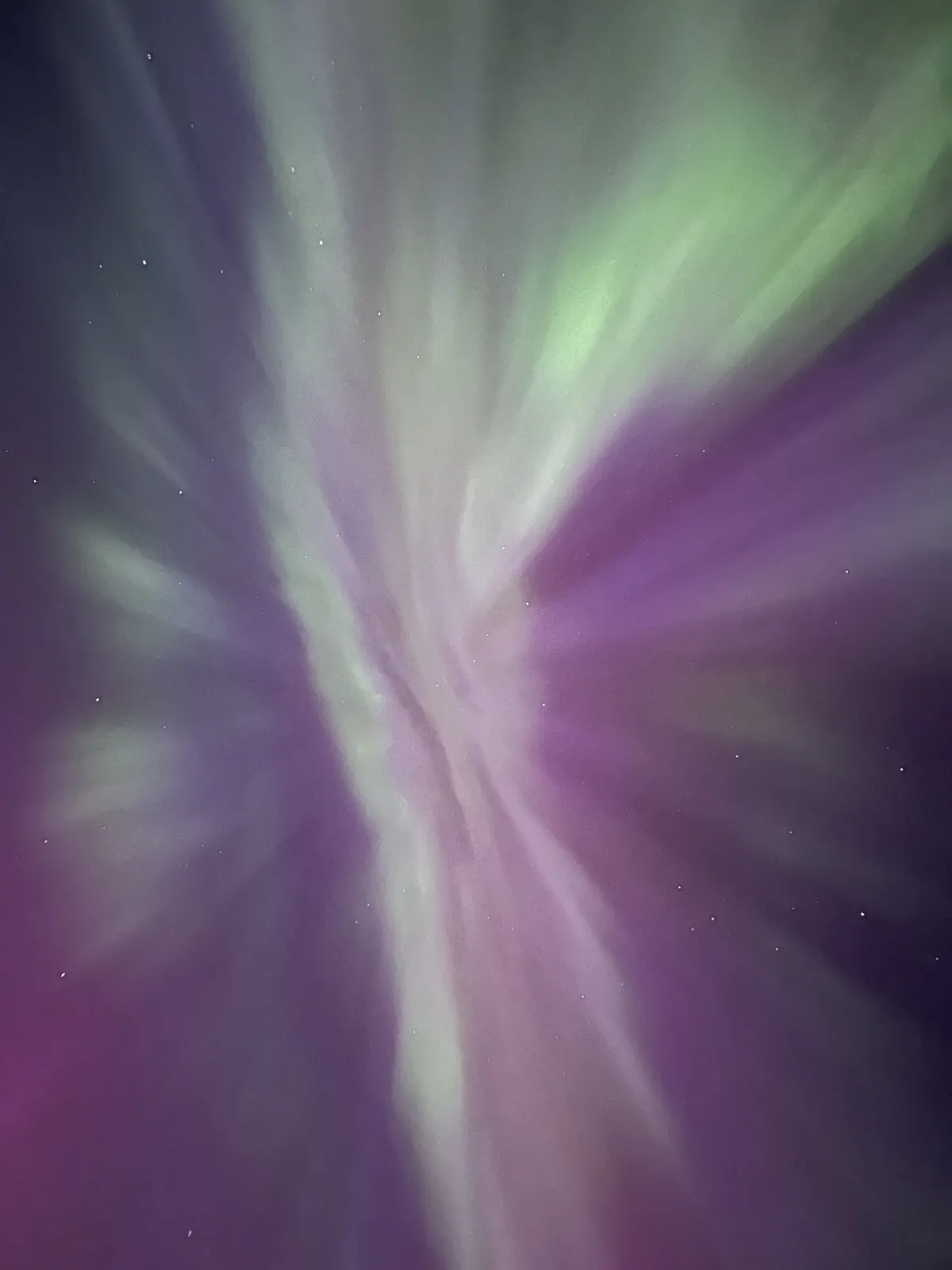
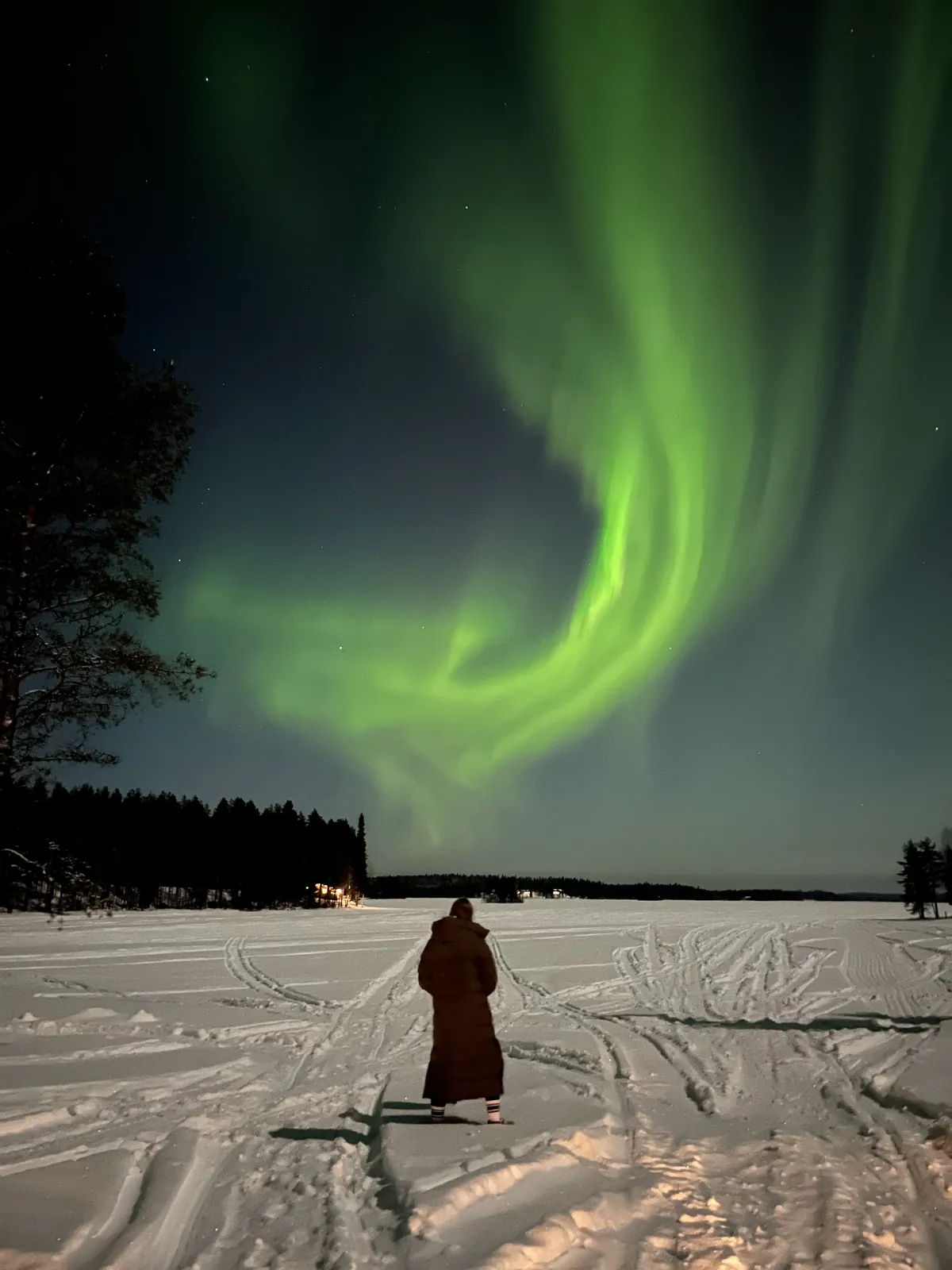
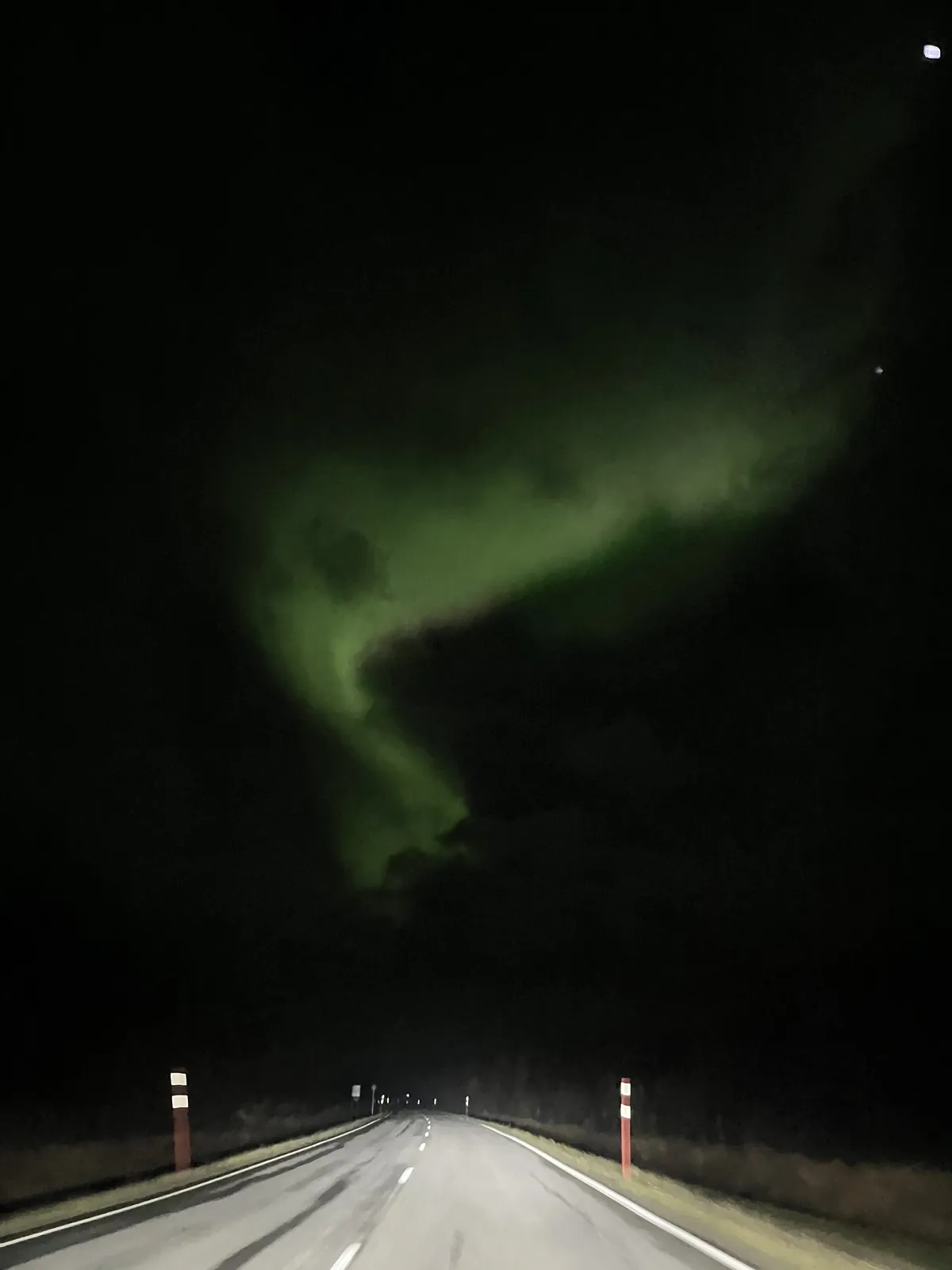
A short clip of a real display, filmed on an ordinary everyday evening, not on an aurora hunt. To the eye, auroras move slowly and usually look paler and greener than in camera photos. This one was filmed on a phone, with no sound.
Understand the Lapland seasons, daylight, snow conditions and the months with the best balance between darkness, weather and activities.
Read the full timing guide →Compare the main aurora destinations in Finnish Lapland, from easy-access Rovaniemi to remote Kilpisjärvi near the Norwegian border.
Compare Lapland locations →Learn how to read aurora forecasts, which apps to use, what camera settings work in -20°C, and how to dress for long hours outside.
Flying into Rovaniemi? Real odds from FMI statistics, how to escape the city lights and why Ranua, an hour south, has darker skies.
Read the Rovaniemi and Ranua guide →Why it glows green, why it looks grey to your eyes but bright on your phone, why it comes in bursts and whether you can hear it.
Aurora science in plain English →Yes. Most of Finnish Lapland lies under or very close to the auroral oval, which means you can see auroras even on relatively quiet solar activity, as long as the sky is clear and it is dark.
Aim for at least 3–4 nights in Lapland. This gives you multiple chances to catch a clear night. If possible, 5–7 nights significantly increase your odds, especially in months with more unstable weather.
Not necessarily. A tour can help with transport and local knowledge, but in many Lapland destinations you can walk or drive a short distance away from light pollution and watch from a frozen lake or open field.
Yes. The aurora is common around Rovaniemi on clear, dark nights from late August to early April. City lights hide fainter displays, so go to a lakeside or open field outside the centre, or to darker areas such as Ranua, about an hour south.
More answers: Northern lights in Finland FAQ →
Free, no booking, no sales
Planning a northern lights trip? Send your question to someone who actually lives here. Dates, places, clothing, driving, photos or whether your plan makes sense: you get an honest answer for free.